How Termite Control Services Improve Property Value
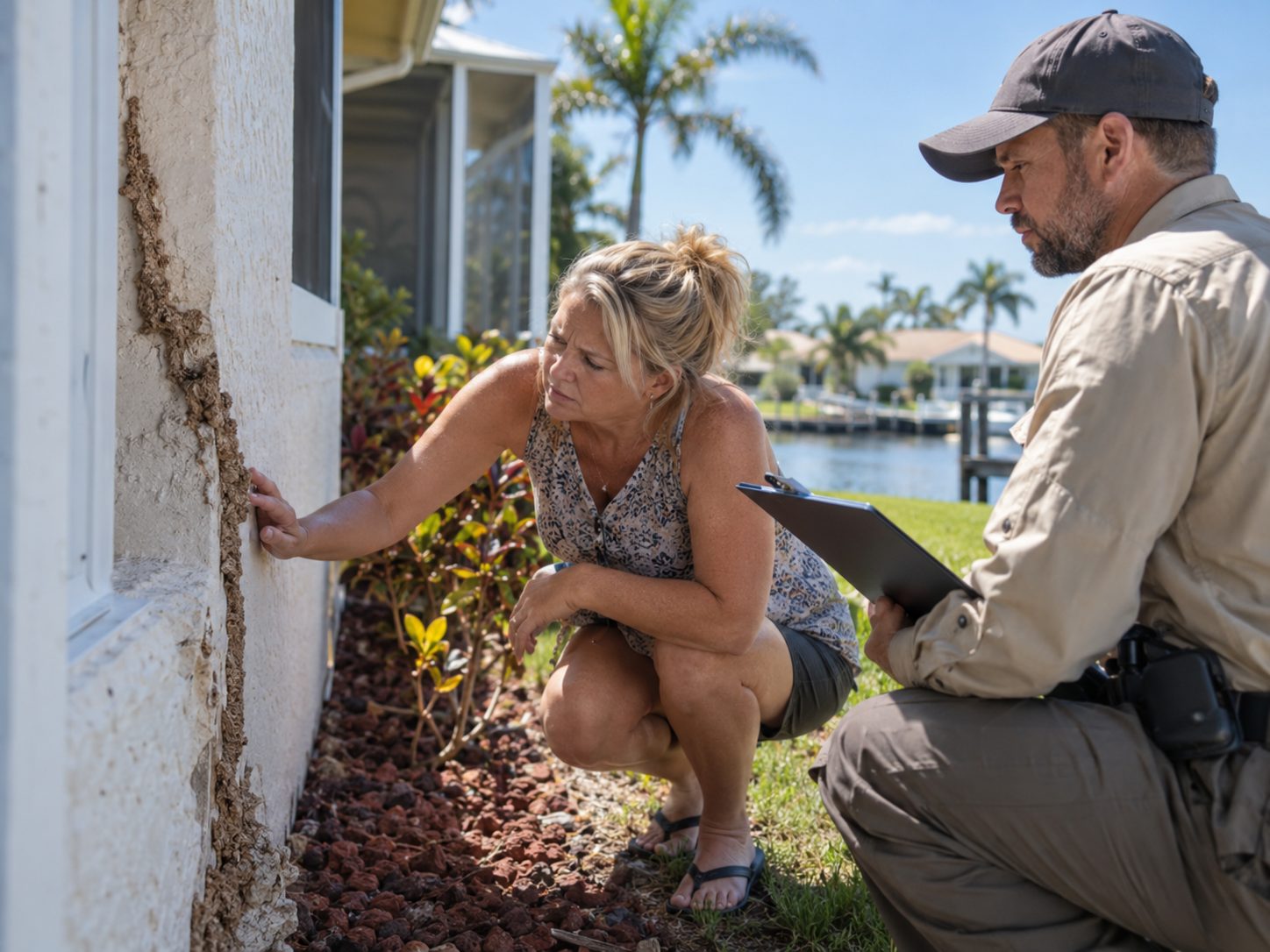

Property value is often discussed in terms of kitchens, bathrooms, roofing, and curb appeal. Those are visible upgrades, so they get the attention. Yet some of the biggest gains in value come from protecting what buyers cannot easily see: the structural integrity of the building itself. That is where Termite Control Services matter.
In real estate, hidden risk changes everything. A house with polished floors and fresh paint can still lose buyer interest quickly if there is evidence of termite activity. Lenders become cautious. Inspectors write sharp notes. Buyers start calculating repair costs, then discount the home accordingly. In many cases, they do more than ask for a price reduction. They walk away.
Homeowners sometimes think of termite treatment as a maintenance expense with no obvious return. In practice, it acts more like asset protection. It preserves the condition of framing, subfloors, trim, cabinets, and outbuildings. It reduces the chance of expensive structural repairs. It also gives future buyers a level of confidence that is hard to create with cosmetic work alone.
A property does not need to be a luxury home for this to matter. The effect shows up in starter homes, rental properties, small multifamily buildings, and commercial spaces. Any structure that contains wood or other cellulose materials is vulnerable, especially in climates where termite pressure is high. The better question is not whether termite control affects value, but how directly it does so, and in what ways.
Value is built on confidence
Property value is never just a number pulled from comparable sales. It is a blend of condition, location, timing, risk, and buyer perception. Termites influence three of those factors immediately: condition, risk, and perception.
A buyer may not understand every detail of construction, but most people understand what termites imply. They imply hidden damage. They imply possible neglect. They imply more costs after closing. Even when the actual infestation is minor, the psychological effect can be large. Once a buyer hears the word termite, they start imagining weakened beams, sagging floors, and repair invoices that keep growing.
Professional termite protection interrupts that chain of thinking. A history of inspections, preventive treatment, and prompt correction tells a very different story. It says the property has been actively maintained. It says the owner did not ignore hidden problems. That can shift a negotiation from defensive to stable.
I have seen homes where a seller spent tens of thousands renovating finishes, only to lose leverage because an inspector found old termite tubes in a crawl space with no supporting documentation. I have also seen simpler homes sell smoothly because the owner had clear records showing annual inspections and targeted treatment where needed. Buyers tend to trust documentation over assurances. Saying, "We never had a serious issue," is weak. Producing service records is stronger.
The real cost of termite damage
Termites are not dramatic in the way storm damage is dramatic. They do not usually leave a single catastrophic event behind. They work quietly. That is part of why the financial impact can be underestimated. By the time visible signs appear, damage may already extend into framing members, sill plates, support posts, subflooring, door casings, and window trim.
Repair costs vary widely. A minor repair around trim or a localized treatment might be manageable. Structural repairs are another matter. Once contractors need to open walls, replace damaged framing, jack sections of floor, or correct moisture conditions that invited pests in the first place, costs escalate fast. For a homeowner preparing to sell, this creates a double penalty. First, there is the repair bill. Second, there is the stigma attached to the property during the sales process.
Some owners assume a buyer will overlook small issues if the home presents well overall. That can happen in unusually hot markets, but even then, hidden wood-destroying insect concerns tend to surface during due diligence. If the buyer's inspector notes active infestation or probable damage, the buyer usually asks for one of three things: treatment before closing, a credit for future treatment and repair, or a price reduction. Each outcome reduces the seller's effective value.
The damage is not only physical. Time on market has its own cost. Listings that fall out of contract because of termite findings can become harder to sell on the second attempt. Buyers notice when a property returns to the market. Questions begin. Sellers often end up negotiating from a weaker position than they would have faced if they had dealt with the issue earlier.
Why preventive service often pays better than reactive treatment
There is a significant difference between responding to an infestation and maintaining a preventive termite program. Reactive treatment is necessary when termites are already active, but preventive service protects value more efficiently because it limits both damage and disruption.
A preventive plan usually includes regular inspections, monitoring, moisture-related recommendations, and treatment methods suited to the property. Depending on the region and construction type, that might involve bait systems, liquid barriers, spot treatments, or a combination approach. The right provider will not oversell a one-size-fits-all package. A slab home in a dry area presents different vulnerabilities than a pier-and-beam home in a humid climate with a history of drainage problems.
From a value standpoint, prevention does several useful things at once. It reduces the odds of significant structural loss. It creates a record of professional care. It helps catch related problems such as excess moisture, wood-to-soil contact, or poor ventilation in crawl spaces. Those conditions matter because termites rarely exist in a vacuum. The same environment that attracts them can also invite rot, mold, and other deterioration that drags down property quality.
This is one reason Termite Control Services are more than pest management. Good service functions as part of a property preservation strategy. The providers who deliver the most value are usually the ones who understand buildings, not just bugs.
Buyers, lenders, and inspectors all notice
The influence of termite history changes slightly depending on who is evaluating the property.
Buyers care about surprise costs. Even a first-time buyer with limited construction knowledge understands that hidden repairs can wreck a budget. If there is no evidence of professional oversight, buyers often protect themselves by lowering offers.
Inspectors care about signs, conditions, and documentation. They are trained to note mud tubes, damaged wood, moisture conditions, inaccessible areas, and any visible evidence of previous treatment. They do not need to diagnose every detail to raise concern. A single note in an inspection report can trigger a round of estimates and renegotiation.
Lenders care about collateral. On some loans and in some markets, wood-destroying insect inspections are a routine part of the transaction. When conditions suggest unresolved infestation or significant damage, financing can become more complicated. Delays cost money and sometimes kill deals outright.
This creates a practical reality for sellers. Even if termite concerns do not bother them personally, they should care because those concerns affect everyone else involved in the sale.
How service records strengthen your negotiating position
A professionally maintained property tends to perform better in negotiation because uncertainty is reduced. This applies in roofing, HVAC maintenance, plumbing upgrades, and termite control alike.
Records matter for a few reasons. First, they establish timing. A note from five years ago about old damage is less alarming when paired with follow-up inspections showing no active infestation since. Second, they establish scope. Buyers can see whether treatment was local, preventive, or tied to a larger repair project. Third, they establish continuity. Annual or periodic service suggests the owner treated maintenance as an ongoing responsibility rather than a crisis response.
When sellers can produce records without scrambling, the conversation changes. Instead of arguing over vague fears, both sides can discuss actual conditions. That often reduces overcorrection. Without records, a buyer may assume the worst and demand a larger concession than the issue truly warrants.
The strongest documentation package usually includes inspection reports, treatment invoices, warranty details if applicable, and receipts for any repairs tied to past termite damage. The goal is not to prove a property has never had exposure. In many termite-prone regions, that would be unrealistic. The goal is to show competent management.
The effect on appraised and market value
Termite control does not typically add value in the same obvious way a new kitchen might add value. Its impact is more protective than flashy. Yet protective value can be substantial because it preserves the condition on which appraised and market value rest.
Appraisers generally do not assign a line-item premium for termite service. What they do notice is overall condition, deferred maintenance, and evidence of structural issues. A home free from visible pest damage and supported by strong maintenance records is more likely to be judged as well-maintained. A home with visible deterioration or unresolved infestation is more likely to be adjusted downward indirectly through condition assessments or through the repair burden recognized by the market.
Market value often responds even faster than appraised value. Buyers make emotional decisions under uncertainty. A clean termite history, or at least a professionally managed one, can keep a property in the category buyers want to pursue. Once termite concerns feel open-ended, many buyers move on to the next listing.
This is especially true for investment buyers. Landlords and flippers price risk with discipline. They know hidden wood damage can erase margins quickly. If they suspect more work than the listing suggests, they reduce their offers to create a buffer. Owner-occupant buyers may be less technical, but they often react even more strongly because they fear disruption and expense.
Different property types, different value stakes
The role of termite control shifts somewhat depending on the property.
A single-family home owner is often concerned with resale and peace of mind. A rental property owner looks at preservation of cash flow. An investor with multiple units thinks in terms of maintenance reserves, vacancy risk, and capital planning. A commercial owner may be concerned with lease obligations, insurance implications, and the impact of structural issues on tenants and operations.
What stays consistent is the relationship between pest management and asset quality. On a rental property, untreated termites can lead to repair downtime, tenant complaints, and larger capital costs later. That drags down net operating performance and, by extension, value. On a commercial building, visible deterioration or active infestation can complicate lease renewals and buildout work. On a residence, the effect appears most clearly at inspection and sale.
Older homes deserve special mention. They often carry more charm and stronger market appeal, but they also tend to have more hidden voids, prior repairs, moisture vulnerabilities, and wood components that have been exposed for decades. In these homes, termite oversight is not optional if the owner wants to preserve long-term value. Buyers may forgive age. They are less forgiving about avoidable neglect.
What quality Termite Control Services actually look like
Not all services produce the same value. A low-cost visit that amounts to a quick spray and a generic invoice may satisfy the owner's desire to "do something," but it does not necessarily protect the property well or reassure a future buyer.
High-quality Termite Control Services Termite Control Services usually share a few characteristics:
- They start with a real inspection, including vulnerable areas such as crawl spaces, slab edges, attics when relevant, exterior grading, and moisture-prone zones.
- They explain the treatment method in plain language, including limits, warranty terms, and follow-up expectations.
- They note contributing conditions, such as mulch piled against siding, leaking hose bibs, poor drainage, or wood debris near the foundation.
- They maintain usable records that a homeowner can actually present during a sale.
- They adapt recommendations to the construction type, region, and infestation pressure rather than selling the same package to every client.
Owners should be cautious with guarantees that sound too broad or too cheap. A termite warranty can be valuable, but only if the company is reputable, responsive, and clear about what is covered. Some warranties cover retreatment only. Others include limited repair coverage. Those distinctions matter when buyers review paperwork.
The hidden link between moisture control and value protection
Any serious discussion of termite prevention has to include moisture. In the field, moisture problems and termite activity often travel together. Poor drainage, leaking gutters, plumbing drips, damp crawl spaces, and wood in contact with wet soil create ideal conditions for infestation and decay.
This matters because a termite company that simply treats the insects without addressing the moisture environment leaves the underlying risk in place. It is similar to repainting over water stains without fixing the roof leak. The immediate symptom may fade, but the property remains vulnerable.
Owners who want the strongest return on termite-related spending should think in systems. The treatment may handle the pest pressure, while drainage correction, ventilation upgrades, or minor carpentry changes improve the building's resilience. Buyers notice this kind of maintenance even if they cannot name every detail. Floors feel more solid. Crawl spaces look cleaner. Exterior wood lasts longer. Inspection reports read better.
I once walked a property where the owner had paid for repeated spot treatments over several years, but the downspouts still emptied near the foundation and the crawl space remained damp. Termite pressure kept returning. After the drainage was corrected and a fuller treatment plan was implemented, the problem stabilized. The lesson was simple: treatment alone helps, but treatment plus condition correction protects value much better.
Timing matters more than many owners realize
One of the most expensive mistakes owners make is waiting until a sale is imminent to think about termite control. By then, options narrow. If an issue is found two weeks before listing photos or during escrow, the owner is forced into fast decisions. Quick decisions are often more expensive and less strategic.
Early attention gives owners flexibility. If treatment is needed, they can schedule it properly, complete any repairs, allow for follow-up inspection, and organize documentation. If no active issue is found, they gain confidence and a clean report to support marketing. Either outcome is better than discovering uncertainty after a buyer is already involved.
For owners not planning to sell soon, the logic still holds. Property value is not only a future resale figure. It is also the current condition of a major asset. Protecting it over time usually costs less than restoring it after hidden damage accumulates.
When termite history does not have to sink a sale
A prior termite problem is not automatically fatal to value. What hurts value most is unresolved activity, unclear documentation, or evidence that damage may be ongoing. A property with a past issue can still perform well in the market if the owner handled it properly.
The best path usually includes full treatment by a credible provider, repair of any damaged materials where needed, correction of contributing conditions, and clear records showing the timeline. Buyers can accept that a property had a problem. What they struggle with is ambiguity.
In some markets, especially in areas where termites are common, experienced buyers expect that many older properties have had some level of treatment at some point. The key is whether the home presents as sound and managed. A well-documented past problem is often less damaging than a current mystery.
Smart steps owners can take before value is tested
If property value matters, termite planning should be proactive rather than reactive. Owners do not need to become pest experts, but they should manage the issue with the same seriousness they give to roofs, foundations, and plumbing.
A sensible approach includes the following actions:
- Schedule regular professional inspections, especially in termite-prone regions or if the home has crawl spaces, older wood framing, or a history of moisture issues.
- Keep all treatment and inspection records in one place so they are easy to produce during refinancing, insurance reviews, or a future sale.
- Address moisture sources promptly, including drainage defects, plumbing leaks, gutter overflow, and wood-to-soil contact around the structure.
- Repair damaged wood correctly rather than covering it cosmetically and hoping it does not come up later.
- Ask service providers specific questions about warranties, retreatment terms, and whether they recommend preventive monitoring after treatment.
These steps are not glamorous, but they support the parts of value that buyers, inspectors, and lenders quietly care about most.
Why this investment holds up over time
Some property expenses fade the moment they are installed. Trendy finishes can look dated within a few years. Certain upgrades add less practical value than owners expect. Termite protection is different because it is tied to preservation, not fashion.
When owners invest in Termite Control Services, they are protecting the building's ability to retain strength, function, and marketability. They are lowering the chance that a future transaction will be derailed by hidden damage or uncertainty. They are also reducing the odds of facing repair work that costs far more than routine service ever would.
That is the core financial argument. Good termite control may not be the feature buyers admire first, but it supports the condition they are willing to pay for. It protects the structure behind the finishes, the negotiations behind the listing price, and the confidence behind a successful sale. For anyone serious about maintaining property value, that is not a minor detail. It is part of the foundation.
Maximum Pest Control
836 NE 7th Terrace Suite #5
Cape Coral, FL 33909
+1 239-772-7363
FAQ About Termite Control Services
What are two signs of a termite infestation?
Mud tubes along a foundation and piles of shed wings near doors or windows are two signs to investigate. Mud tubes are associated with subterranean termites. A licensed inspector can identify the insect and assess whether there is active infestation.
How many years does a termite treatment last?
There is no single timeline for all treatments. The method, site conditions, and maintenance affect how long protection lasts. Bait systems rely on monitoring and service. Ask the provider for the recommended inspection schedule and the terms of any coverage.
Is Termite Treatment Expensive in Cape Coral?
Cost depends on the termite species, the size and construction of the property, the extent of activity, and the treatment method. Request a written estimate after inspection and ask whether monitoring, follow-up visits, and renewals are included.