Do You Need Emergency Termite Control Services?

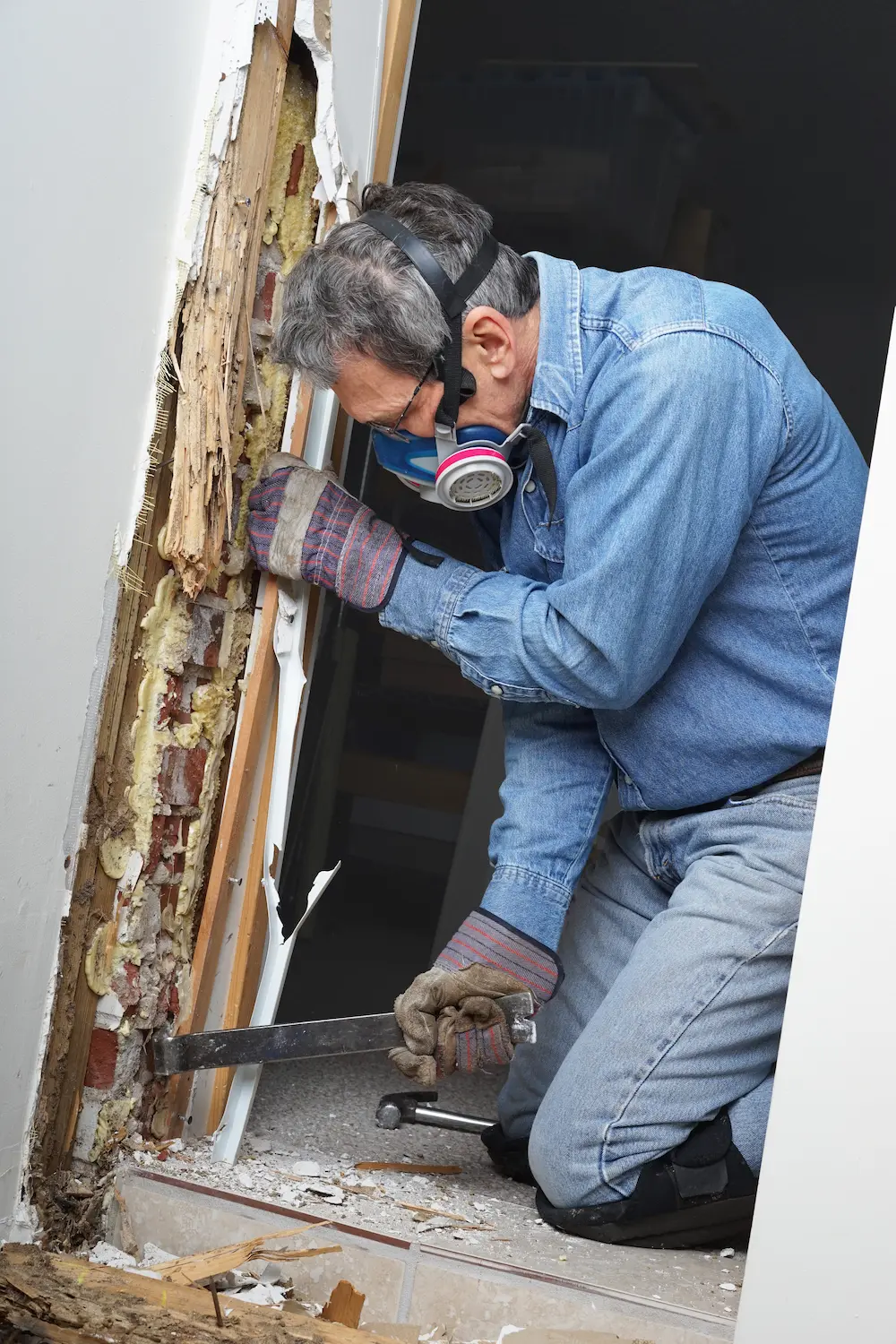
Termites do their best work when nobody is paying attention. That is what makes them expensive.
Most pest problems announce themselves early. Ants trail across a countertop. Wasps circle the eaves. Rodents leave droppings where you can see them. Termites are different. They stay hidden inside wood, behind drywall, under flooring, or in the soil below the structure. By the time a homeowner notices bubbling paint, a hollow-sounding baseboard, or a door frame that crumbles under light pressure, the colony may have been feeding for months or even years.
That is where the idea of emergency termite control services enters the picture. Not every termite sighting is a true emergency, but some situations need immediate professional attention. The challenge is knowing the difference. React too slowly, and structural damage can spread. React too aggressively to a minor sign, and you may spend money in a panic before anyone has confirmed what is actually happening.
The right response starts with understanding what termites do, what counts as urgent, and what a reputable pest professional can realistically accomplish on short notice.
Emergency does not always mean dramatic
People tend to imagine emergencies as events with noise, movement, and visible destruction. Termite emergencies usually look quieter than that. A support post does not necessarily collapse overnight. More often, the emergency lies in the combination of hidden damage and active infestation. The problem is urgent because the insects are still feeding and the structural components are already weakened.
I have seen homeowners call for help because they found a few winged insects near a window in spring. Sometimes that turns out to be a swarm of reproductive termites from an established colony inside or very near the house. That deserves fast attention, but it is not the same as a house being on the verge of structural failure. In other cases, the real emergency was discovered almost by accident. A contractor removed trim during a bathroom remodel and found extensive galleries running through a sill plate that looked intact from the outside. The owners had noticed nothing more alarming than a sticky door and a patch of discolored paint.
Urgency in termite work comes down to risk, location, and activity. If termites are actively attacking load-bearing elements, if moisture conditions are helping the infestation spread, or if the infestation appears widespread, you do not want to wait weeks for an inspection slot.
The signs that justify a same-day or next-day call
Some termite indicators can wait a short time for a standard inspection. Others deserve immediate scheduling. The goal is not to diagnose the species yourself. The goal is to recognize the situations where delaying action can lead to bigger repairs.
The following signs usually justify calling for emergency termite control services as soon as possible:
- Winged termites swarming indoors, especially in large numbers or near windows, doors, attics, or light sources
- Mud tubes on foundation walls, crawl space piers, joists, or interior surfaces
- Wood that sounds hollow, crushes easily, or shows tunneling just beneath the surface
- Sagging floors, loose tiles, warped trim, or doors that suddenly stop closing properly without another clear cause
- Fresh termite frass, discarded wings, or visible live termites during renovation or plumbing work
Swarming indoors is one of the most misunderstood warning signs. People often sweep up the insects, spray a household bug killer, and assume the problem is solved. It rarely is. Swarmers are the reproductive caste, sent out to start new colonies. When they appear inside, there is often an established colony already in the building envelope or immediately adjacent to it.
Mud tubes are another high-priority sign, especially with subterranean termites. These narrow, earthen tunnels protect termites from drying out as they travel between the soil and wood. One old tube does not always mean current activity, but fresh, moist tubes or repeated tube-building after disturbance suggest an active infestation.
Structural symptoms deserve even more caution. A floor that feels spongy near a bathroom or exterior wall may be suffering from moisture damage, termite damage, or both. Either way, that is not a wait-and-see issue.
When it may not be a full emergency
There are also cases where fast professional attention is wise, but the word emergency may overstate the situation. For example, if a home inspector finds evidence of old termite damage in a beam, but there are no live insects, no fresh tubes, and no recent frass, the issue may be important without being immediate. You still need a qualified inspection, and you may need treatment or repairs, but the timetable is different.
The same goes for suspicious wood damage that turns out to be caused by carpenter ants, wood-boring beetles, fungal decay, or plain water intrusion. Those problems matter, but they call for a different strategy. One reason experienced termite specialists are valuable is that they do not assume every damaged board means termites.
A good pest professional will slow the conversation down enough to separate urgency from panic. That judgment alone can save a property owner from making expensive decisions based on fear.
Why delaying treatment can be costly
Termite damage is cumulative. A colony does not stop because the homeowner has noticed the problem. If anything, the delay between suspicion and treatment is often when people lose the most money. They spend several days searching the internet, getting informal opinions from friends, or trying hardware-store sprays while termites remain active in inaccessible areas.
Subterranean termites are especially unforgiving in that respect. They can enter through cracks in the slab, utility penetrations, expansion joints, or tiny gaps where wood is close to soil. Once established, they may feed across multiple areas of the structure. Spot-killing the few termites you can see does little if the colony remains connected to the building.
Drywood termites behave differently, but they can be just as disruptive. Because they live inside the wood they consume, infestations may remain isolated at first, then spread to trim, framing, or furniture over time. Homeowners often notice pellets on a windowsill or floor long before they grasp how many separate galleries exist behind the visible surface.
Repair costs can climb fast. Replacing trim is one thing. Rebuilding subfloor sections, sill plates, porch framing, or structural posts is another. Add temporary shoring, contractor coordination, and possible moisture remediation, and the bill changes dramatically.
What emergency termite control services actually involve
There is a common idea that emergency service means a technician arrives and solves the entire termite problem in one visit. Real life is messier.
In urgent cases, the first visit usually has three purposes. First, confirm whether the insects are termites and identify the likely type. Second, assess the immediate risk to structural elements and whether any area needs to be avoided or stabilized. Third, start the treatment plan in a way that interrupts active infestation as quickly as practical.
That may include a detailed inspection of crawl spaces, basements, attics, utility penetrations, and perimeter conditions. It may involve moisture readings, probing damaged wood, and checking for live activity behind baseboards or around window casings. If subterranean termites are suspected, the technician will pay close attention to soil contact points, drainage issues, and foundation details. If drywood termites are suspected, the focus shifts more toward infested wood members and signs of localized colonies.
The treatment itself depends on what the inspection reveals. There is no honest one-size-fits-all emergency fix.
Treatment methods and why the choice matters
Termite control has improved a lot over the years, but every method carries trade-offs. The fastest option is not always the most complete, and the most thorough option is not always necessary for every structure.
A liquid soil treatment is often used for subterranean termites. The goal is to create a treated zone in the soil where termites travel. In practice, that may require trenching, drilling through slabs or adjacent surfaces, and applying termiticide around the foundation. When done well, it can be highly effective. It is also labor-intensive, and on some properties the layout makes access difficult. Patios, finished basements, radiant heat systems, wells, and drainage features all affect how a treatment plan is designed.
Bait Termite Control Services systems are another approach, often used for monitoring and colony suppression. They can be excellent tools, particularly for long-term management, but they are not always the best answer when a homeowner needs the fastest possible interruption of a heavy, active infestation in a vulnerable structural area. In some cases, professionals combine methods.
For drywood termites, localized wood treatments may be enough if the infestation is limited and clearly defined. Injecting foam or applying borate products to accessible wood can work well in the right setting. But if drywood termites are spread across multiple inaccessible areas, whole-structure fumigation may be recommended. That is a bigger event logistically, and not every property owner expects to hear it during what began as a “small pest issue.”
This is where experienced judgment matters. A technician who oversells the largest treatment without evidence is a problem. So is one who understates a serious infestation to keep the estimate easy to accept.
The inspection questions that separate professionals from salespeople
During an urgent termite call, homeowners are often stressed and vulnerable. That makes it easier for weak companies to rush through the inspection, point at a damaged board, and push a contract. A serious operator should be able to explain what they found, what they did not find, and where uncertainty remains.
Ask what signs indicate active infestation rather than old damage. Ask whether they identified subterranean termites, drywood termites, or another wood-destroying pest. Ask which structural members appear affected and whether a contractor or structural specialist should evaluate them. Ask what the immediate treatment will accomplish this week, and what follow-up will be needed over the coming months.
I have seen the difference this makes. In one case, a homeowner was told a full perimeter treatment was urgently needed based on a few swarmers in a sunroom. A second inspection found the main issue was actually a localized drywood infestation in a window frame and adjacent trim, with no evidence of a broad subterranean problem. The correct treatment cost less and fit the actual risk. In another case, a client wanted to postpone work because the only visible issue was one damaged basement joist. A more careful inspection found multiple active mud tubes and hidden damage at the sill along the same wall. Waiting would have been a mistake.
What you should do before the technician arrives
There is not much value in trying to treat termites yourself while waiting for professional help. Store-bought sprays may kill exposed insects, but they rarely reach the colony or the full network of galleries. Worse, they can scatter activity and make inspection less clear.
What helps most is documentation and access. If you can do so safely, take clear photos of swarmers, tubes, pellets, wings, or damaged wood. Save a few insect samples in a sealed bag or container if possible. Clear stored items away from the affected wall, crawl space access, or attic hatch. If you found the issue during remodeling, tell the technician exactly what was opened up and when.
A few practical steps can also reduce complications while you wait:
- Do not disturb mud tubes more than necessary
- Avoid stacking cardboard, lumber, or firewood against the house
- Fix obvious leaks if they can be addressed safely
- Keep children and pets away from visibly weakened flooring or framing
- Be ready to share any history of past termite treatments or moisture problems
That last point matters more than people think. Previous treatments, additions, slab changes, and drainage work can all affect what the technician sees and recommends.
The role of moisture, and why termites rarely act alone
Termites and moisture problems often travel together. Not always, but often enough that no thorough inspection should ignore the relationship.
Leaking hose bibs, poor grading, clogged gutters, wet crawl spaces, condensate lines, and bathroom plumbing leaks all create conditions that make wood more vulnerable and easier for termites to exploit. In crawl spaces, high humidity can soften the line between insect damage and fungal decay. I have walked properties where the owner was focused on the termites while the bigger long-term problem was standing water under the house. Even if the colony was treated successfully, the structure would remain at risk without moisture correction.
This matters because emergency termite control services are sometimes only the first phase. The pest company may stop the infestation, but a contractor, plumber, or drainage specialist may still need to correct the condition that helped the termites gain an advantage.
Real estate transactions make the timeline even tighter
If you are buying or selling a home and termites appear late in the process, everything becomes more compressed. Buyers get nervous, sellers worry about the deal collapsing, and both sides want quick answers. In that setting, emergency service often means getting a reliable inspection and written treatment recommendation fast enough to keep the transaction moving.
That said, speed should not replace accuracy. A rushed letter saying “treated for termites” is not the same as a clear explanation of active infestation, damage extent, treatment performed, and whether repairs are needed. Lenders, insurers, and buyers may all view the situation differently, especially if structural members are involved.
For sellers, transparency usually serves better than improvisation. For buyers, the presence of termites is not automatically a deal-breaker, but unclear records and vague treatment history should raise concern.
How to judge whether the structure is in immediate danger
This is where homeowners understandably want a simple yes or no. Unfortunately, structural risk does not work that way.
A small amount of visible termite damage does not always mean the house is unsafe. At the same time, a beam can look mostly intact while significant Termite Control Services internal feeding has reduced its strength. Immediate danger depends on which members are affected, how much section loss has occurred, whether the damage is old or active, and what loads the member carries.
Load-bearing posts, sill plates, rim joists, floor joists, roof framing connections, and support beams deserve the closest scrutiny. If termite damage is extensive in those areas, especially combined with sagging or movement, the pest issue quickly becomes a structural issue. In that case, treatment and repair planning should happen together.
A reputable termite company will know when to bring in a contractor or structural engineer rather than pretending the pest treatment alone answers every question.
Cost concerns are real, but so is false economy
Emergency service is usually more expensive than a routine appointment. There may be additional charges for same-day scheduling, after-hours response, or the complexity of urgent access and treatment planning. Understandably, some homeowners hesitate.
Still, the cheapest response is often the costliest in the long run. Delaying a proper inspection to save an initial service fee can lead to larger treatment zones, more invasive repairs, and higher contractor costs later. Choosing a bargain estimate without a thorough inspection can be just as expensive if the treatment misses active areas or ignores the species involved.
There is a difference between controlling cost and avoiding reality. Good companies will explain options, not just totals. They should also be candid about what treatment can and cannot guarantee, especially where hidden voids, inaccessible framing, or neighboring conditions complicate control.
So, do you need emergency termite control services?
If you are seeing active signs such as indoor swarms, fresh mud tubes, live termites, frass, or wood that appears structurally compromised, the answer is often yes. Not because every termite issue means imminent collapse, but because termites are one of the few home problems that can continue causing serious hidden damage while looking deceptively quiet on the surface.
If what you have is old damage with no evidence of current activity, a prompt standard inspection may be enough. But if you are unsure, err on the side of getting a qualified evaluation quickly. The cost of being wrong in the slow direction is usually higher than the cost of asking an expert to look sooner.
The most useful mindset is neither panic nor complacency. It is disciplined urgency. Termites reward delay, and they punish wishful thinking. When the signs point to active infestation, professional termite control services are not just about killing insects. They are about protecting the structure before repair bills, safety concerns, and disruption become much larger than they needed to be.
Maximum Pest Control
836 NE 7th Terrace Suite #5
Cape Coral, FL 33909
+1 239-772-7363
FAQ About Termite Control Services
What are two signs of a termite infestation?
Mud tubes along a foundation and piles of shed wings near doors or windows are two signs to investigate. Mud tubes are associated with subterranean termites. A licensed inspector can identify the insect and assess whether there is active infestation.
How many years does a termite treatment last?
There is no single timeline for all treatments. The method, site conditions, and maintenance affect how long protection lasts. Bait systems rely on monitoring and service. Ask the provider for the recommended inspection schedule and the terms of any coverage.
Is Termite Treatment Expensive in Cape Coral?
Cost depends on the termite species, the size and construction of the property, the extent of activity, and the treatment method. Request a written estimate after inspection and ask whether monitoring, follow-up visits, and renewals are included.